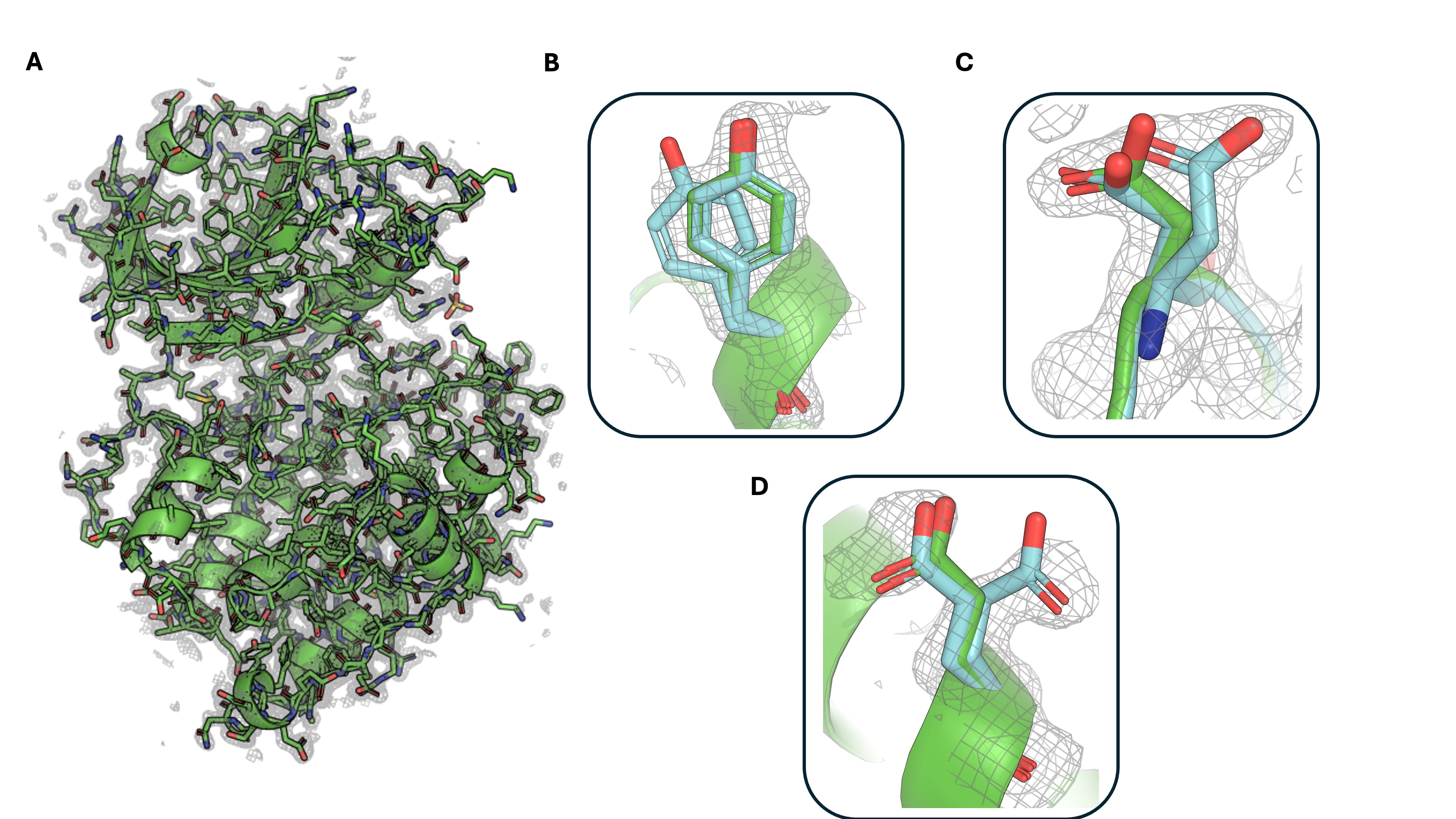
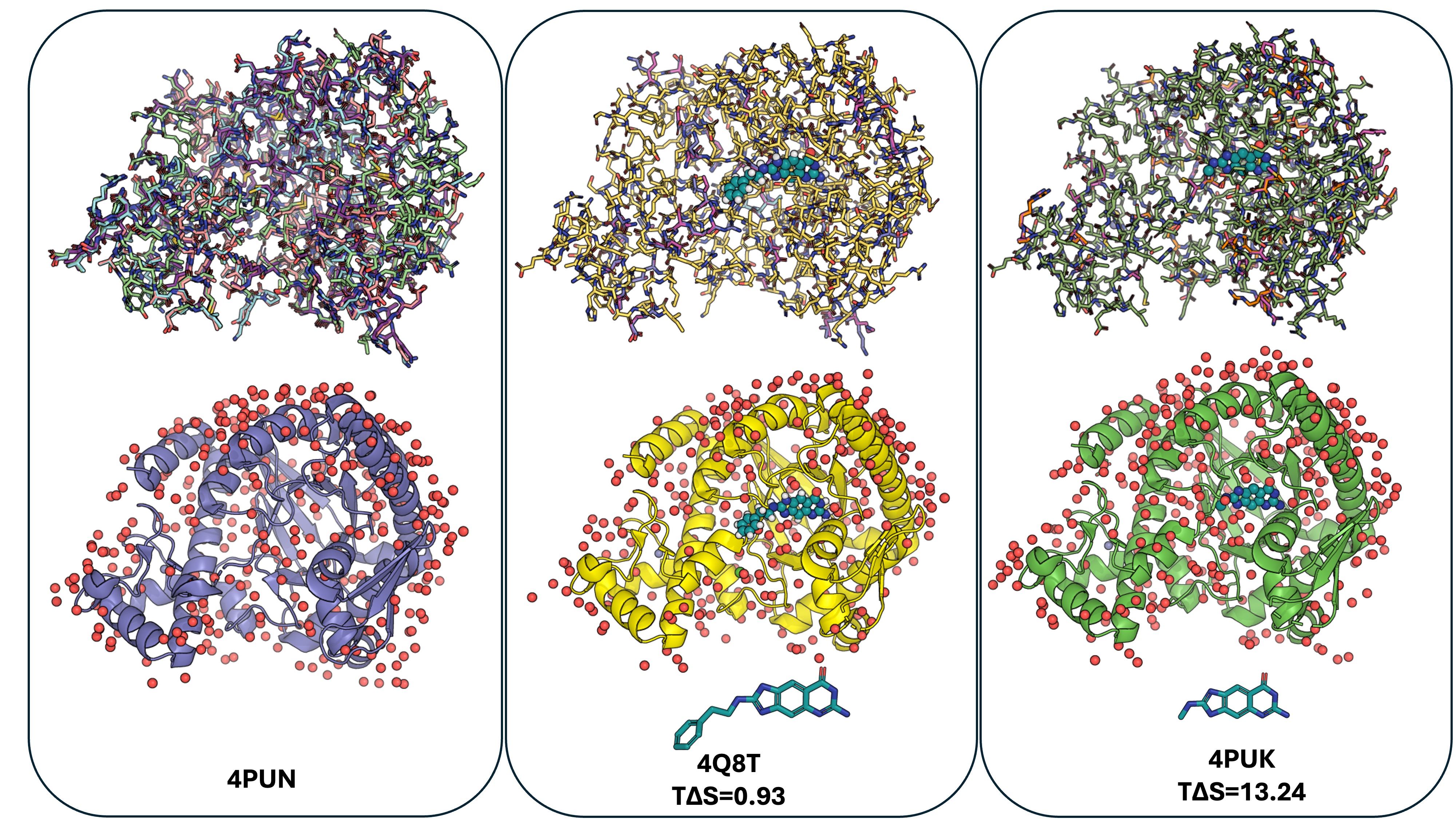
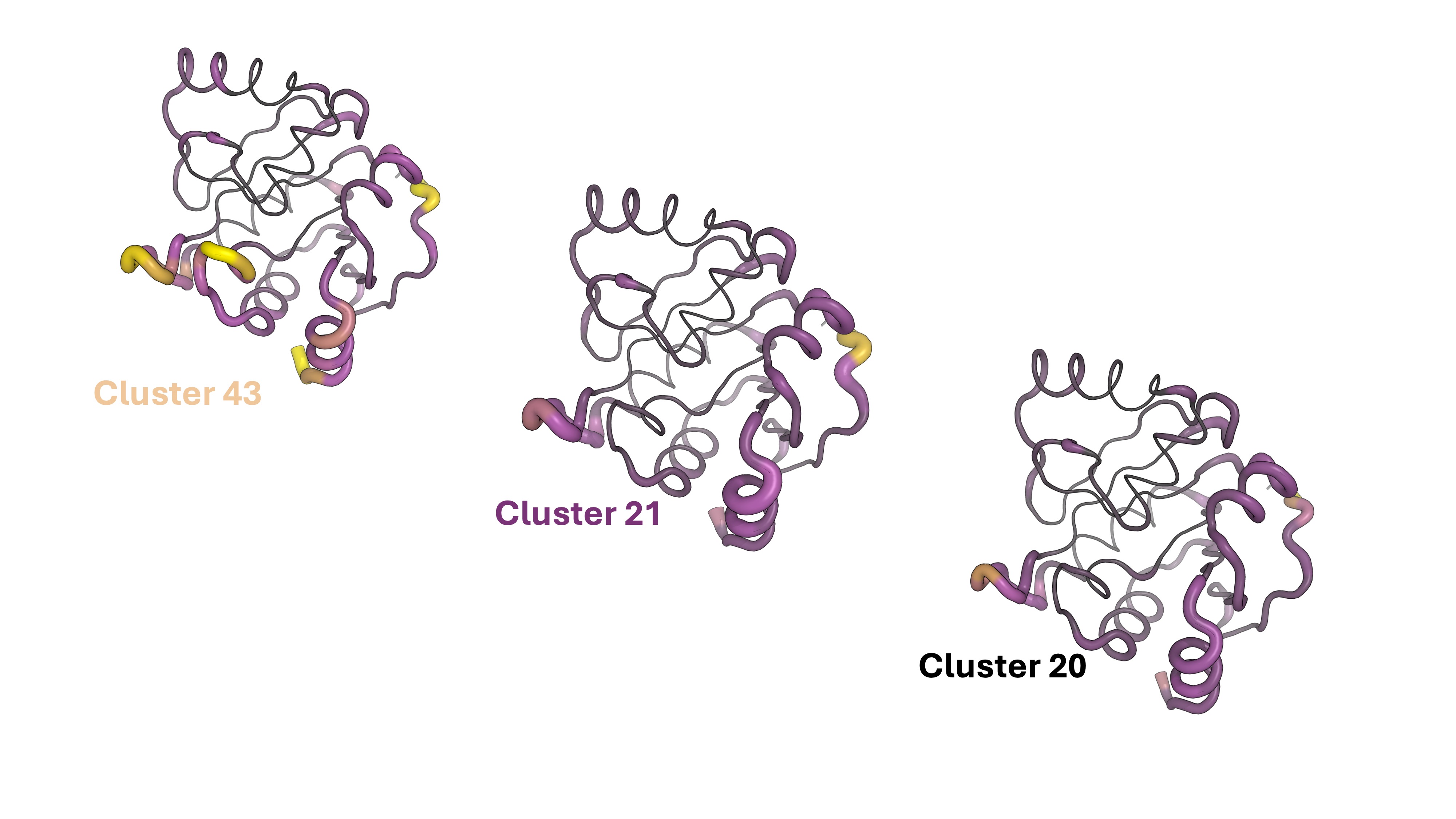
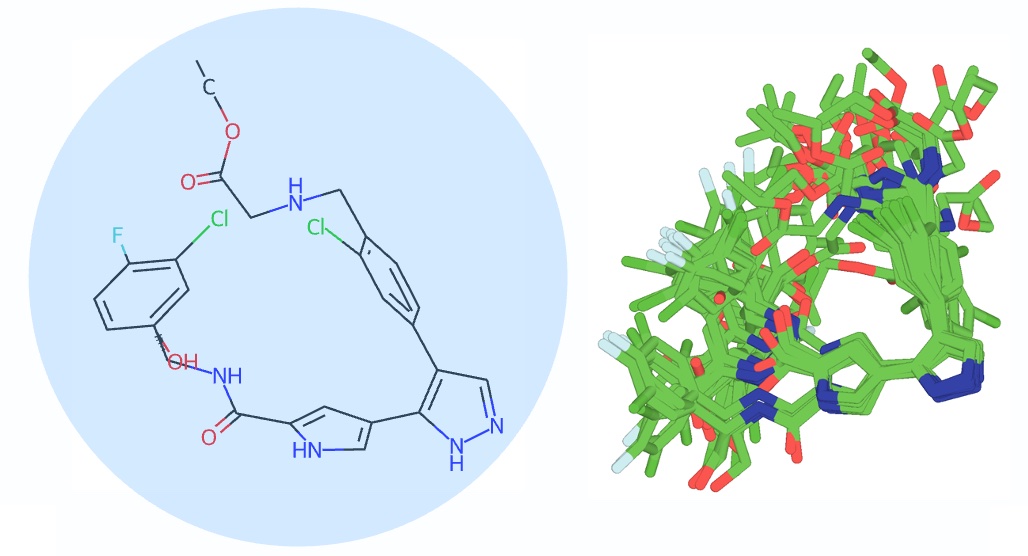
I am a computational structural biologist interested in understanding how protein dynamics impact function. My work uses computational algorithms to model more of the existing conformational ensemble but is often not modeled in structural biology experimental data.
My work uses the improved ensemble modeling to explore entropy’s role in biological function. By modeling the conformational ensemble, we can enumerate a protein’s number of states with different perturbations. Through statistical mechanics, we can relate this to entropy. Proteins have likely evolved to modulate their conformational entropy to reduce the impact of conformational entropy loss during functional events such as binding or catalysis, occurring through two models: through increases in conformational entropy in spatially distant areas from the functional site or by pre-paying entropic costs through ordering in the ground state.
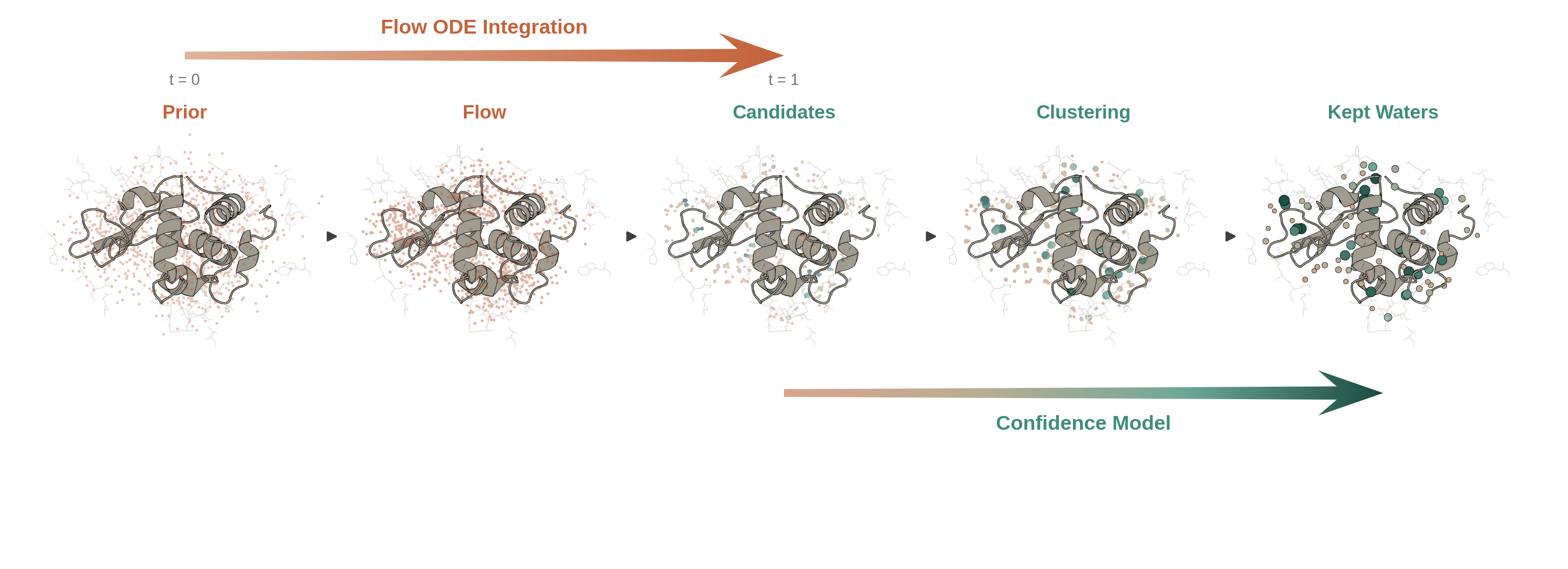
The basis for macromolecular specificity has traditionally been attributed to the static interactions between two macromolecules. The role of protein dynamics has been comparatively underappreciated. The interplay between protein and water molecule dynamics affects specificity, impacting entropy. However, entropic contributions are often sidelined due to the inherent difficulties in their accurate modeling and quantification.
My work investigates the role of entropy in both substrate recognition and catalysis, aiming to provide a comprehensive mechanistic insight into enzymatic function. We hope this will revolutionize our understanding of how substrate chemistry and genetic perturbations influence the thermodynamics of substrate binding and catalysis, potentially heralding a new era in targeted ligand and protein engineering.
Stephanie earned her bachelor’s degree in Biochemistry and Molecular Biology from the University of Massachusetts, Amherst, where she researched the economics of the Clean Water Act under Dr. Paul Kolkoswki. After graduating, she worked as a Data Specialist at Dana-Farber Cancer Institute in the Lank Center for Genitourinary Oncology, managing the Bladder Cancer Translational Research Center under Joaquim Bellmunt. During this time, she performed clinical and translational research, being the first to identify the relationship between the expression of PD-L1, an immune checkpoint marker, and overall survival in metastatic bladder cancer, helping to pave the way for using immunotherapy in bladder cancer.
Subsequently, Stephanie worked as a computational biologist at the Dana-Farber Cancer Institute and the Broad Institute of MIT and Harvard, working in Eli Van Allen’s lab. There, she developed algorithms utilizing high-throughput genomics data to assess responses to oncology treatments and survival. She led the largest study of prostate cancer exomes, identifying new genes and pathways commonly mutated in prostate cancer. Additionally, she helped identify genetic biomarkers for immunotherapy, targeted therapy, and chemotherapy.
In 2018, Stephanie began her graduate career in the Biophysics program at UCSF, working in James Fraser’s lab. She developed computational tools to automatically construct conformational ensembles from X-ray crystallography and cryo-EM data, extracting low-populated but biologically important states of macromolecules. Leveraging structural bioinformatics, she uncovered the spatial redistribution of entropy in ligand binding. Her graduate studies were supported by fellowships from NSF, UCSF Discovery Fellows Program, and the UCSF Antiviral Drug Discovery Program. Her work has been recognized through many awards, including D.E. Shaw Computational Chemistry Fellowship, Intersections Science Fellowship, UCSF Mentorship Award, and Penn Rising Stars in Biophysics and Biochemistry.
In 2024, Stephanie opened her lab at Vanderbilt University in the Molecular Physiology and Biophysics Department, Center for AI in Protein Dynamics, and Center for Structural Biology. She is also a faculty member of the Biochemistry and Computer Science Departments. Learn more about our current research here.
Outside of the lab, you are most likely to find Stephanie running on the road or trail!